
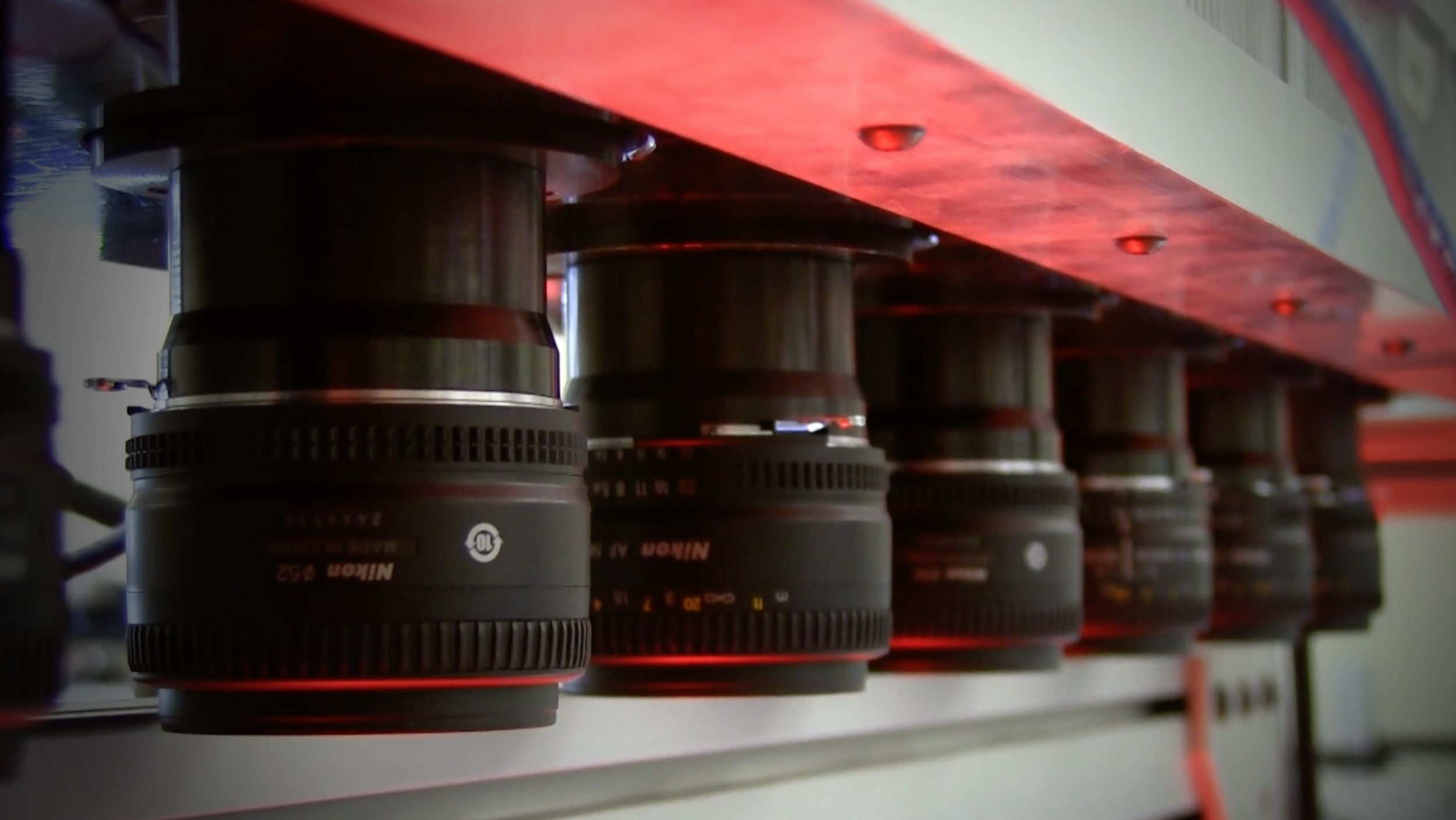
High-Speed Imaging Built for Surface Inspection
OPSIS Smart Vision line-scan cameras combine high-speed image acquisition with embedded processing for continuous web inspection — now including the 300 kHz OPSIS XG.
Smart Cameras
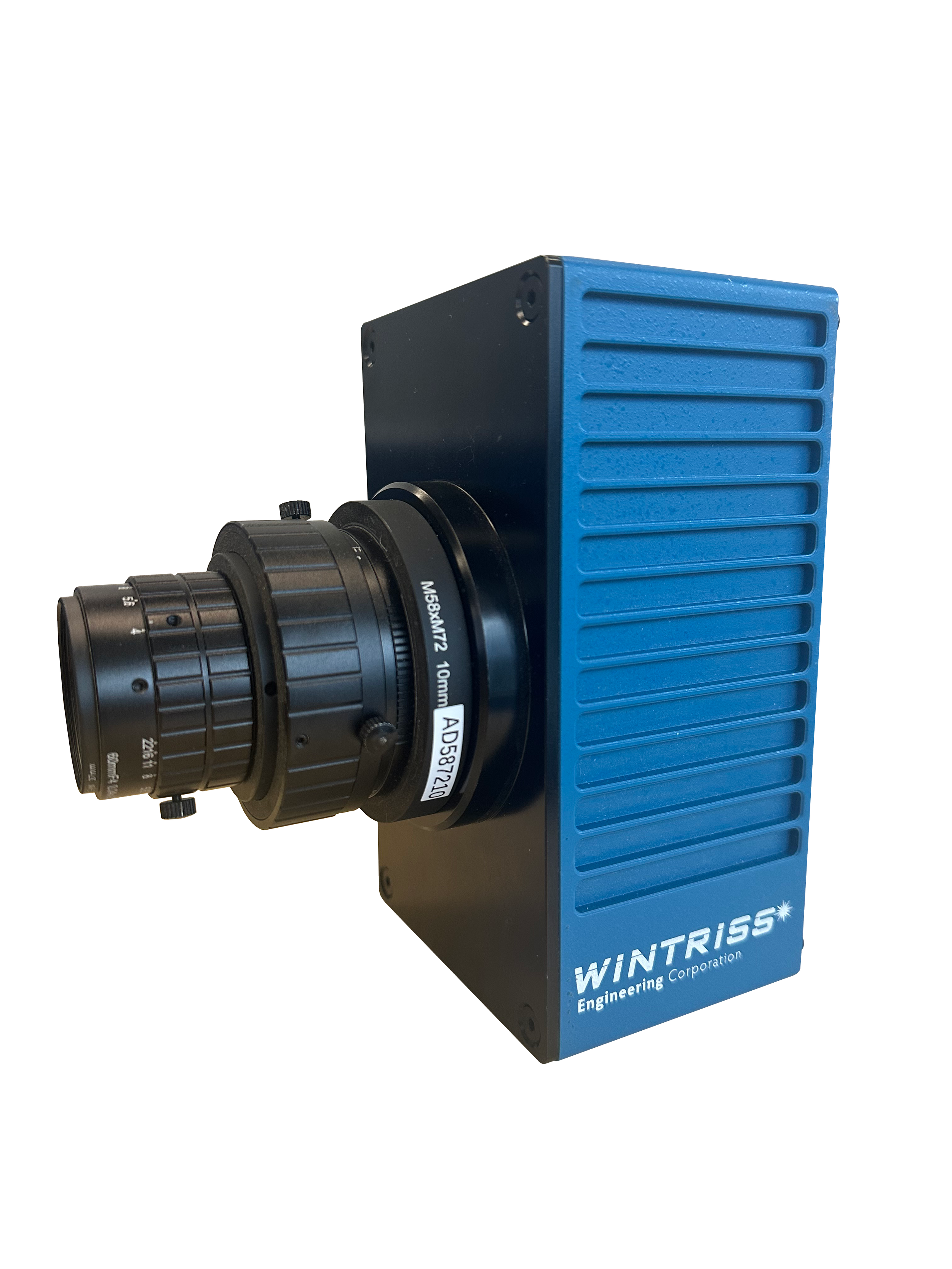
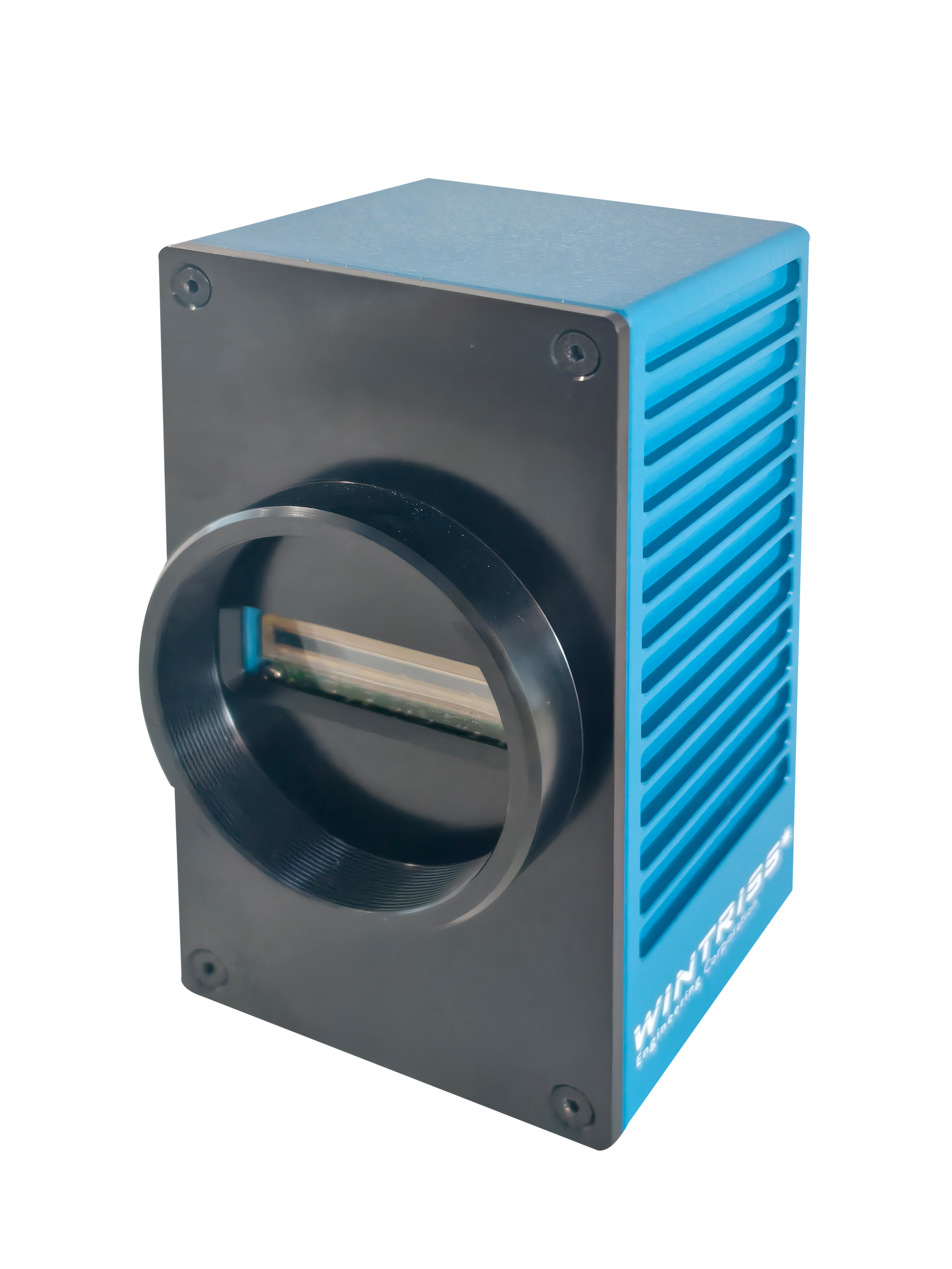
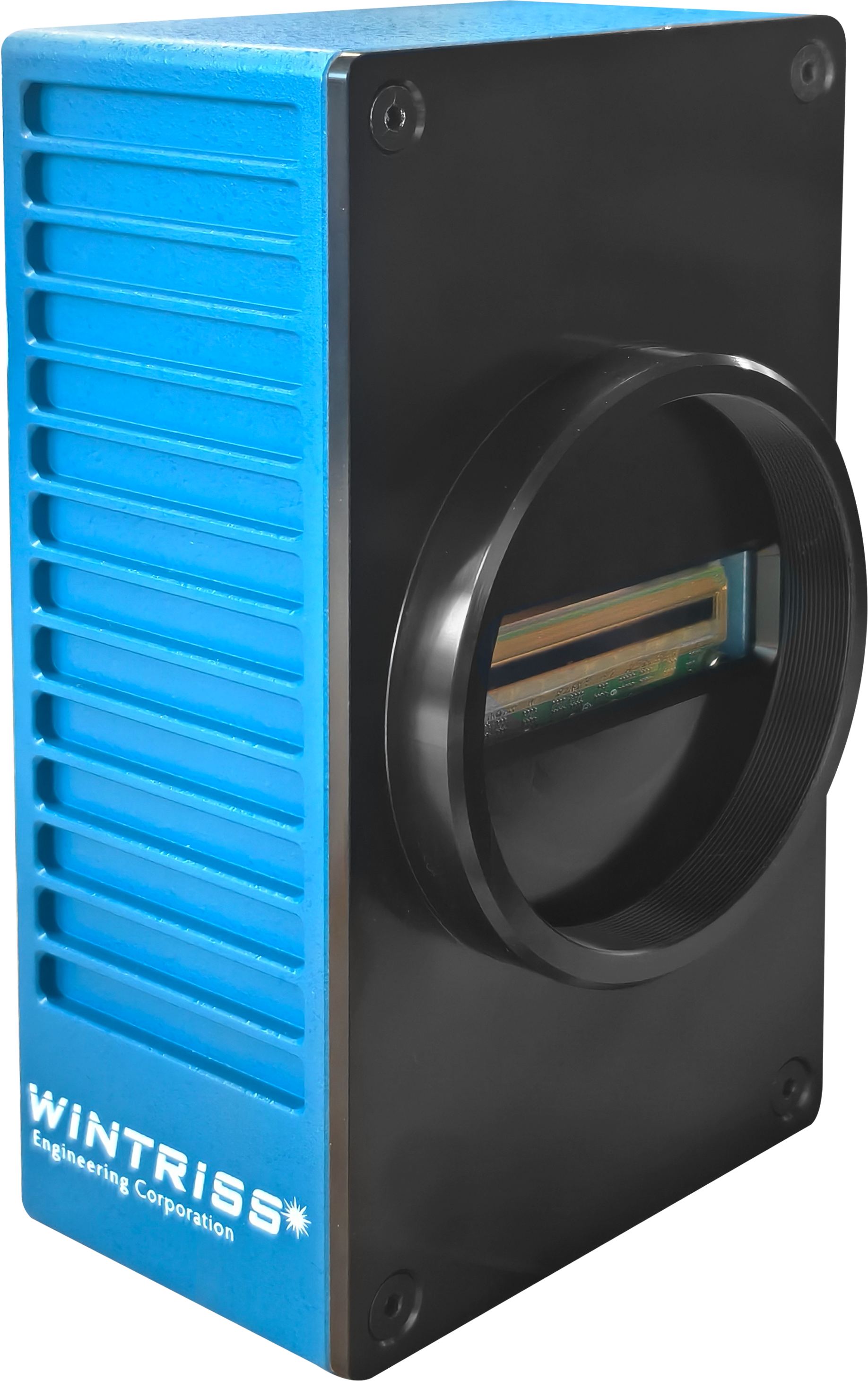
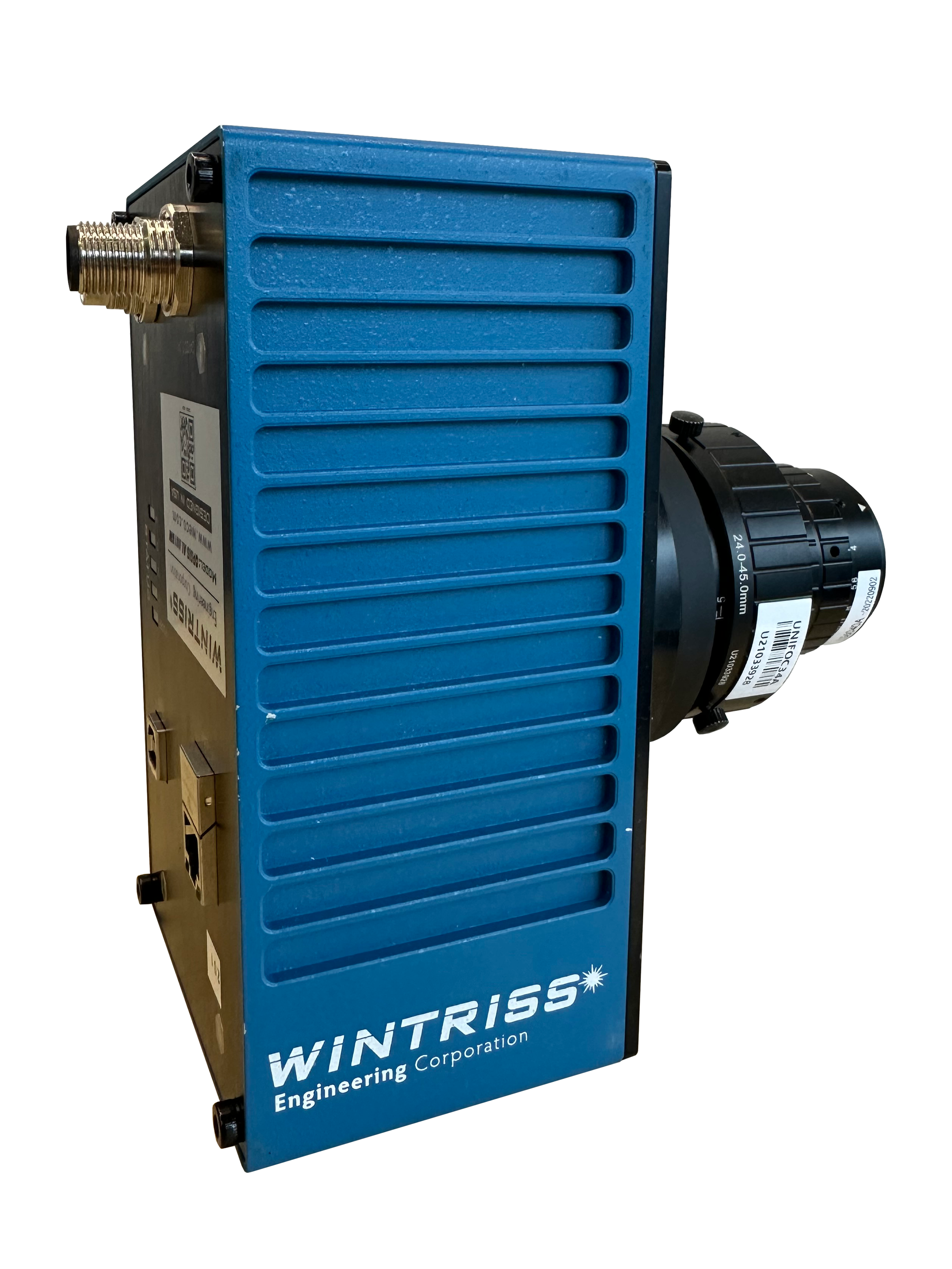
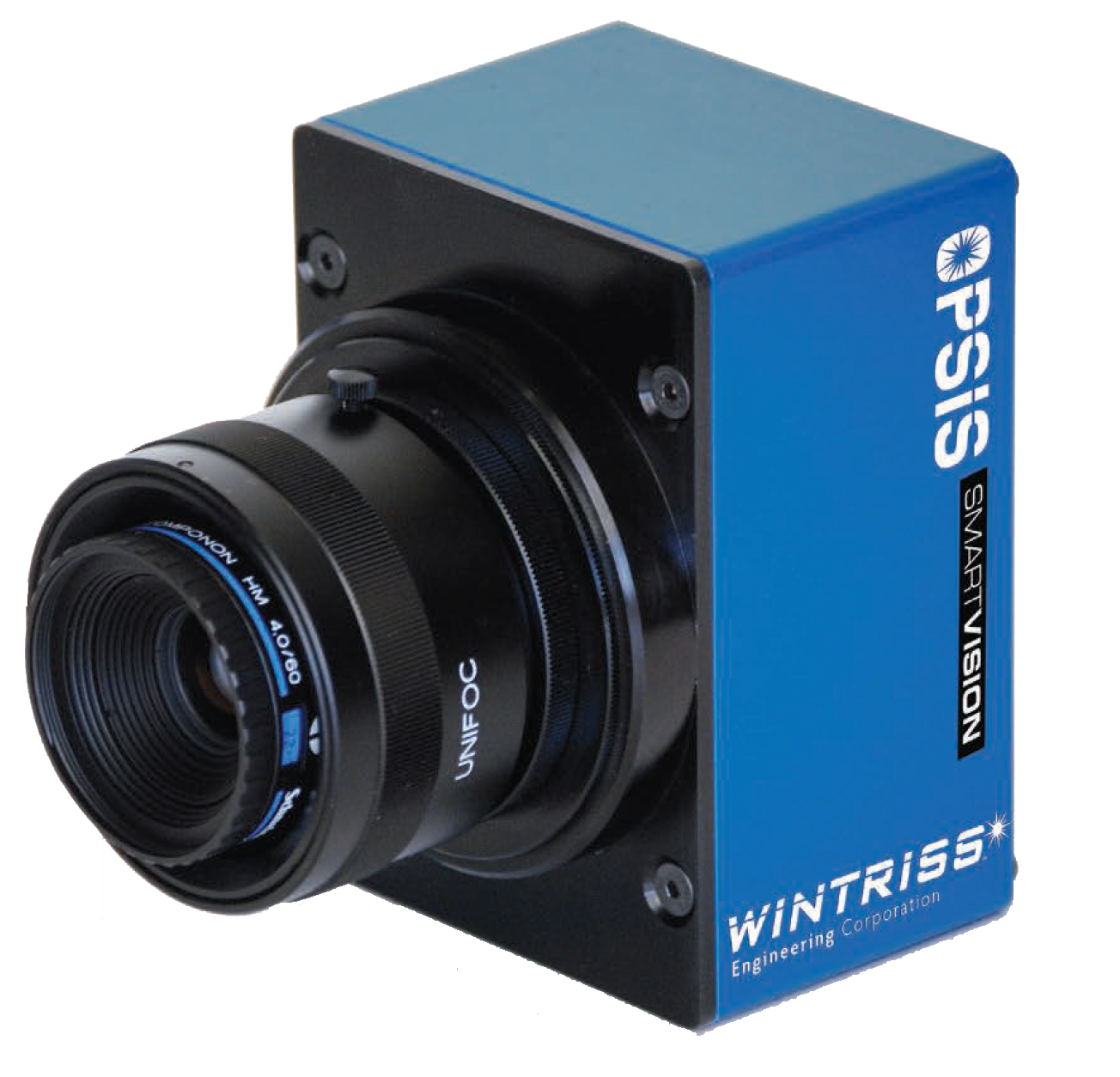
Wintriss OPSIS Smart Vision line-scan cameras are designed specifically for industrial surface inspection applications requiring high-speed and/or high-resolution imaging. As the imaging foundation of the Web Ranger™ system, OPSIS cameras acquire and process image data in real time to support continuous defect detection at production speed. The latest generation, OPSIS XG, operates at up to 300,000 scans per second for today's highest-performance lines.
Wintriss's video processing smart line scan cameras acquire and process video data in real time, before an image ever leaves the camera. An FPGA coprocessor runs up to five two-dimensional filters in parallel to process images during web inspection.
Processed image data from multiple cameras can be networked via Ethernet to a host PC with no intermediate frame grabber required. Using an embedded PowerPC processor, the vision system can operate standalone or share processing tasks with a host computer to boost overall system performance — a design that now scales to OPSIS XG's 300 kHz line rate.
As manufacturers push production lines to higher speeds, surface inspection can become the limiting factor. Faster lines mean less time to sample each square millimeter of material — so resolution drops, small defects get harder to catch, and manufacturers are forced to choose: run fast, or run clean. OPSIS XG is built to remove that trade-off, letting the Web Ranger™ system inspect faster-moving materials while maintaining fine machine-direction resolution and complete inspection coverage — no gaps, no sampling shortcuts.
-
Ultra-high-speed scanning — up to 300,000 scans/sec (300 kHz)
Fine machine-direction resolution — ~28 µm sampling at 300 kHz, even at 500 m/min web speed
100% inspection coverage — no compromise, every millimeter, every time
Embedded real-time image processing — image data is processed directly at the camera, before it ever leaves
FPGA processing — up to five two-dimensional filters run in parallel at the camera
Ethernet-based architecture — processed data networked to the Web Ranger™ host PC, no frame grabber required
Modular, scalable design — configure single or multi-camera imaging around web width, production speed, and resolution requirements
Expanded operating window — increase line speed without inspection becoming the limiting factor
Industrial line-scan imaging — designed for continuous roll-to-roll surface inspection
Drop-in Web Ranger™ integration — upgrades directly into existing systems and works with application-specific lighting and defect detection/classification software
-
Scan Rate:
Up to 300,000 scans/sec (300 kHz)Machine-direction resolution:
~28 µm at 300 kHz, 500 m/min web speedInspection coverage:
100%Max web speed (at rated resolution):
500 m/minSystem integration:
Wintriss Web Ranger® Surface Inspection System
Applications




Frequently Asked Questions
-
Line-scan cameras continuously acquire narrow lines of image information as material moves past the inspection point. Successive scans create a continuous image of the moving web, making line-scan imaging well suited to roll-to-roll production.
-
As production speed increases, material moves farther between camera scans, so the camera must acquire lines faster to maintain the same machine-direction sampling. Production speed, camera line rate, and required machine-direction resolution therefore need to be evaluated together.
-
Camera count depends on web width, required cross-web resolution, camera pixel count, optics, and minimum defect requirements. Wider webs or applications requiring finer resolution may require multiple cameras.
-
There is no universal minimum defect size. Detection performance depends on camera resolution, web width, production speed, line rate, optics, lighting, defect contrast, and the characteristics of the defect.
-
No. Higher line rate improves machine-direction sampling at a given production speed, but overall defect detection also depends on cross-web resolution, optics, lighting, material properties, and defect contrast. For example, 28 µm sampling on OPSIS XG does not mean it can detect every 28 µm defect — orientation, contrast, and image processing all play a role.
-
Resolution determines how finely the material can be imaged, but the defect must also create sufficient optical contrast to be detected. Lighting geometry is therefore selected together with the camera and optics around the material and defects being inspected.
-
300 kHz means the camera can acquire up to 300,000 lines, or scans, per second.
-
As production speed increases, material moves farther between camera scans. A higher line rate reduces the distance between successive scans, providing finer machine-direction sampling at a given production speed.
-
At 500 m/min, a 300 kHz line rate corresponds to approximately 28 µm of material movement between successive scans.
-
OPSIS XG provides high-speed image acquisition while Web Ranger provides the overall inspection platform—lighting, detection/classification, mapping, traceability, reporting, and integration.
-
No. Scan spacing is only one factor in defect detection. Actual detection capability also depends on cross-web resolution, optics, lighting, defect contrast, material characteristics, image processing, and the orientation and characteristics of the defect.
-
OPSIS XG can expand the inspection operating window available as production speed increases. Whether a production line can run faster depends on the manufacturing process and other production constraints, but the higher camera line rate can help prevent inspection sampling from becoming the limiting factor.
-
Applications combining high production speeds with demanding inspection requirements—including BOPET/BOPP film, battery separator, optical and specialty films, current collector foil, nonwoven, paper, and other high-speed continuous webs.

Let's Review Your Inspection Application
Every line is different. Let's find out what OPSIS XG can do on yours. Tell us your web speed, required defect resolution, and web width — we'll walk you through what OPSIS XG can enable, then get you in front of it running, in person.